
Este benefic sau nociv?
BENEFIC NOCIV
Translate to other languages

Rosie the Riveter and Benny the Bungler: WWII Propaganda at Work | The National WWII Museum
Context
This is a secondary source explaining U.S. propaganda during World War II. It describes how the Office of War Information, created in 1942, was to influence Americans’ behavior and support the war effort.
The propaganda was created by the U.S. government and was seen across the US during WWII, especially in public places like factories, schools, and train stations. The text was published on May 16, 2020, as a historical article reflecting on these posters.
The propaganda was created by the U.S. government and was seen across the US during WWII, especially in public places like factories, schools, and train stations. The text was published on May 16, 2020, as a historical article reflecting on these posters.
Tehnica folosită
Activate Emotion
Este propagandă pentru că
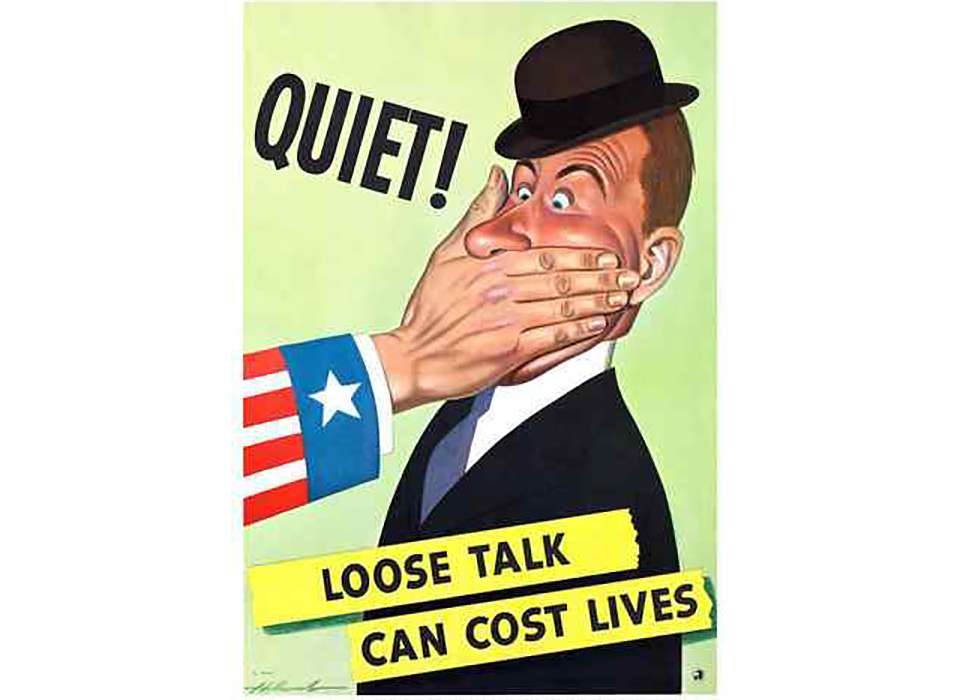
This example shows activating emotion by using fear, guilt, and pride to change people's behavior. Benny the Bungler makes people feel guilty or afraid of helping the enemy, while Rosie the Riveter inspires pride and responsibility. This encourages americans to work harder, be careful, and support the war.
It is mostly beneficial because it connects people, but it can also be harmful as it uses emotional pressure instead of facts.
It is mostly beneficial because it connects people, but it can also be harmful as it uses emotional pressure instead of facts.
Sursa
The National WWII Museum

Comments
No Comments Yet
Share Your Ideas